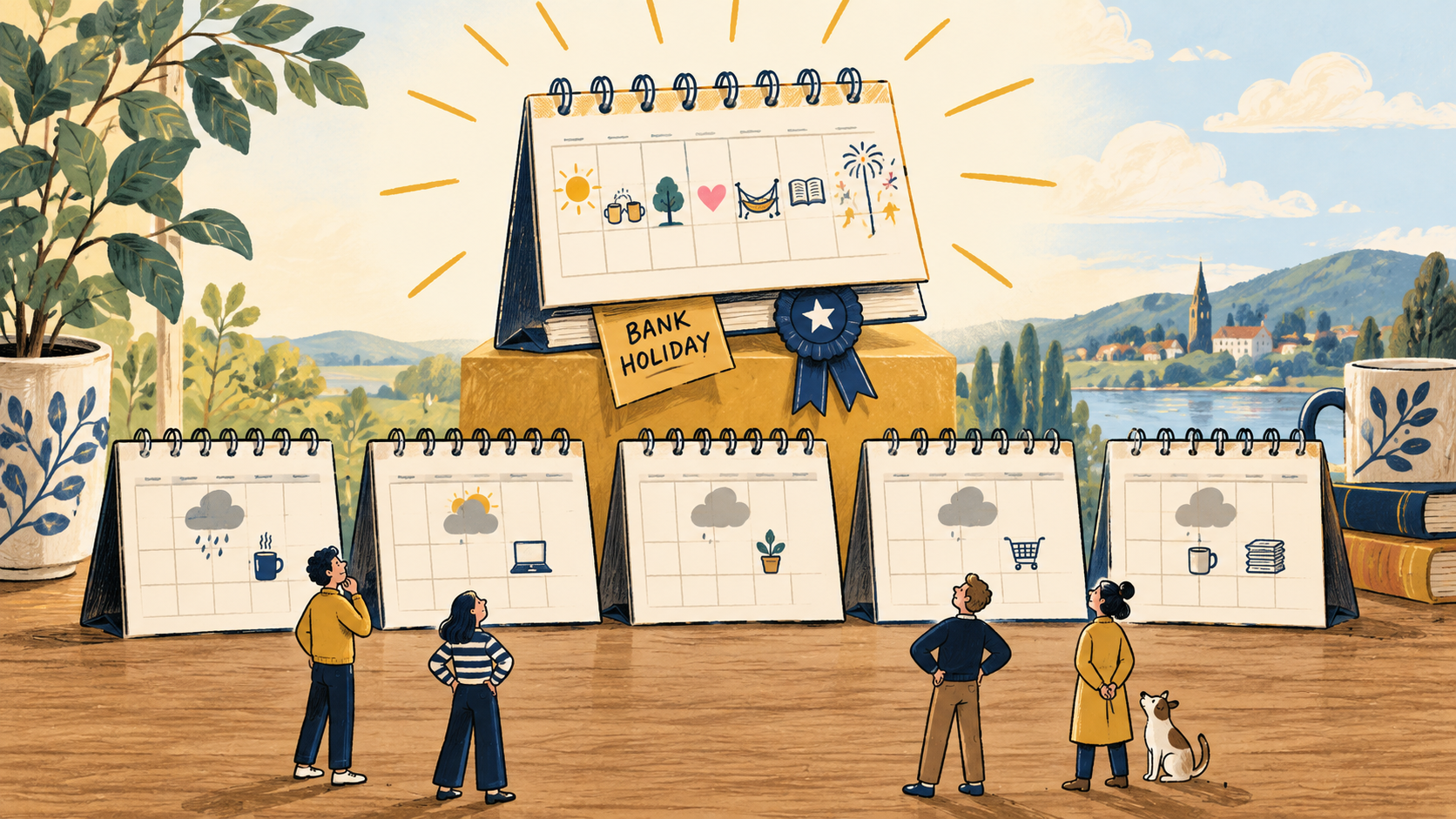
The new person opens the account. The new person frowns. The new person announces that everything needs rebuilding.
It is a comforting little ceremony. We know our roles. They are the fresh pair of eyes. The existing account is an unfortunate relic. Somewhere there will be a presentation with a diagram showing how much neater the future can be.
Sometimes they are right. Sometimes the account is a mess.
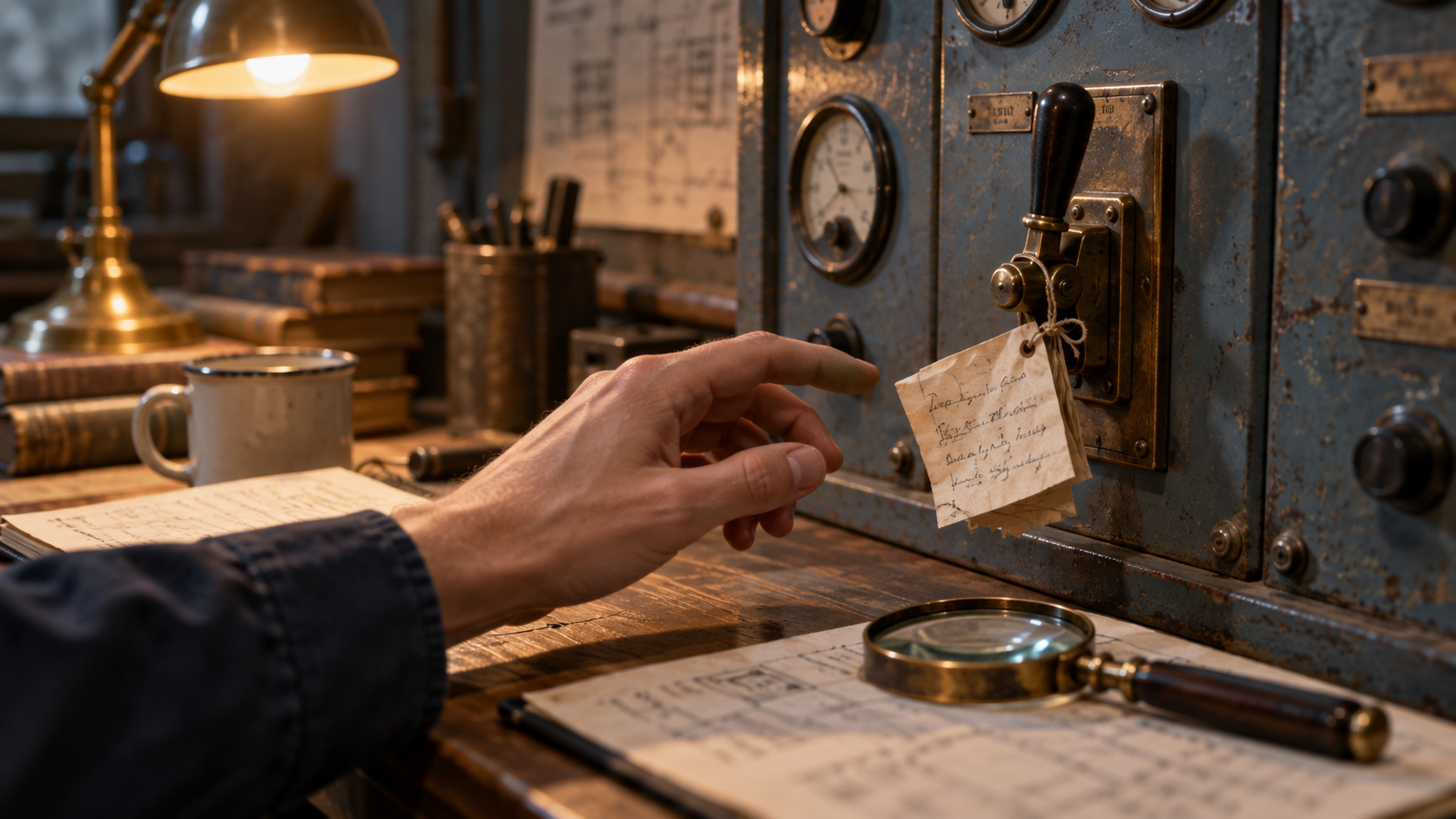
Sometimes the odd setting has a perfectly good reason, and the previous person has written that reason in a notebook nobody bothered to ask for.
I am very interested in the notebook.
A campaign can accumulate scars. A particular exclusion might have stopped a recurring type of irrelevant enquiry. A schedule might reflect when the business can answer. A grouping that looks untidy might exist because two product ranges have different availability.
None of those decisions is permanently sacred. But if I undo one without understanding it, I am not challenging an assumption. I am repeating an experiment while pretending to be the first person who thought of it.
There is a difference.
The line I almost removed
In a fictional account-review exercise, I found a negative phrase that looked too broad. My first reaction was the predictable one: why on earth would somebody exclude that?
Then I read the notes.
The business used a term that also appeared in a completely different hobby. Enquiries from the hobby people had arrived in enough quantity to bother the receiving team. The old manager had recorded the phrases, discussed the tradeoff and put the exclusion in place.
Was the exclusion still ideal? Maybe not. There were narrower alternatives worth checking.
But the notes changed the question. I was no longer heroically opening the account to a neglected opportunity. I was deciding whether a more careful boundary could preserve useful searches without bringing back the hobby enquiries.
That is a much better conversation.
It is also less exciting than “the previous setup was wrong,” which may explain why we don't always bother.
I dislike the idea that a consultant proves their value by changing a great many things quickly. A good review might identify three changes, two questions and a perfectly respectable set of decisions to leave alone.
Clients deserve an explanation of that. They don't deserve a ceremonial bonfire of the old structure just because a new person needs an opening act.
Read first. Fiddle later.
I start with the change history and any records the business has. I talk to the person receiving enquiries. I look at the actual page and the actual offer. Then I decide which account oddities deserve investigation.
The sequence matters. Otherwise you can spend two days tidying names while missing that a service has stopped operating on Fridays.
I also keep my own notes where the next person can find them. A setting should not need a séance to explain why it exists.
Write down the question, what changed, what was observed and what remains uncertain. Include the uncomfortable bits. “We didn't have enough evidence to tell” is a useful sentence. More useful than retrospectively making every choice sound inevitable.
An inherited account can be wrong in places and sensible in others. Most things are. The person who built it may have worked with different conditions, less information or a constraint that has since disappeared.
I would rather understand those conditions than score a cheap point.
If that sounds cautious, good. I am cautious with other people's working systems. There is plenty of room for a proper intervention when the evidence supports one.
There is rather less room for charging into the machinery shouting “best practice” and hoping every displaced cog was decorative.
Find the notebook. Ask the awkward question. Read the damn thing.
Then, if a rebuild really is needed, at least we'll know which mistakes we are trying not to make again.

A thought worth keeping?